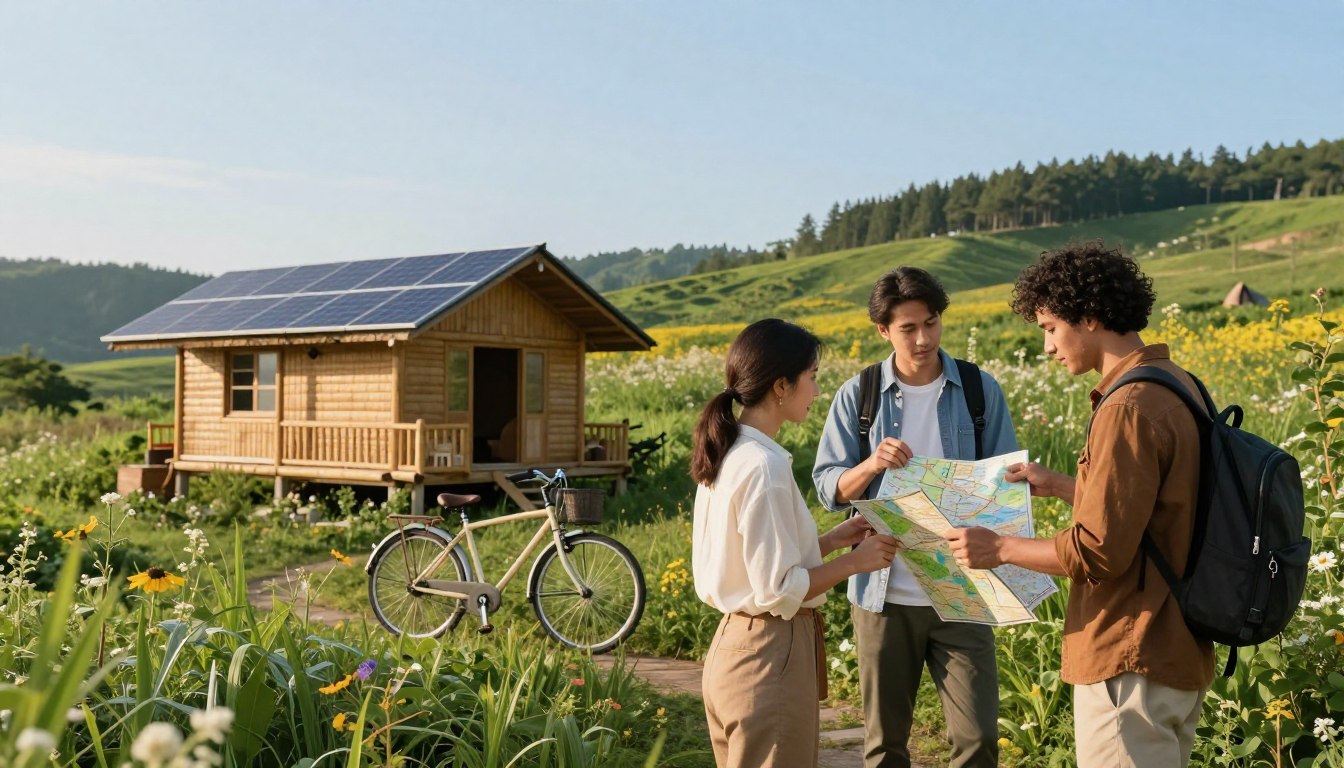
How to Travel Sustainably
“You cannot get through a single day without having an impact on the world around you. What you do makes a difference, and you have to decide what kind of difference you want to make.” – Jane Goodall
This powerful idea is at the heart of every journey we take. Our choices away from home matter more than ever.
International tourist arrivals soared past 1.4 billion in 2024. Research shows 76% of people want to make their trips kinder to the planet. Many simply don’t know where to begin.
Sustainable travel means being sensitive to our climate and nature emergencies. It ensures the places we visit gain long-term benefits from our presence.
The need is urgent. Carbon dioxide levels are higher now than in the last 800,000 years. 2024 was the first year to cross the critical 1.5°C warming threshold.
Around the world, 1 million animal and plant species face extinction. This guide offers clear, actionable steps for everyone. You can help protect the destinations and communities you love.
Your journey can be part of the solution. Let’s explore how.
Key Takeaways
- Global tourism exceeded 1.4 billion international arrivals in 2024.
- A large majority of travelers seek eco-friendly options but lack clear guidance.
- Responsible tourism directly addresses the climate and biodiversity crises.
- Individual choices, when multiplied, create a massive positive impact.
- Opting for sustainable practices often leads to deeper, more authentic experiences.
- A core principle is supporting local economies and cultural heritage.
- Every trip presents an opportunity to make a difference.
Understanding Sustainable Travel
At its core, sustainable travel is a commitment to balance the joys of exploration with the needs of our planet. It’s an ongoing mindset, not a checklist of grand gestures.
This philosophy looks beyond just protecting the environment. It weaves together social fairness and economic health for a complete picture.
| Pillar | Primary Focus | Core Objective |
|---|---|---|
| Environmental | Safeguarding ecosystems, cutting emissions | Preserve nature and stabilize the climate |
| Social | Community welfare, cultural integrity | Foster respectful and enriching guest-host relationships |
| Economic | Local livelihoods, equitable spending | Ensure tourism revenue strengthens the destination |
Conscious exploration considers both immediate impact and long-term consequences. It’s about being responsible for the time ahead.
Embracing this holistic view doesn’t limit your trip. It often leads to a deeper, more meaningful vacation.
What is Sustainable Tourism?
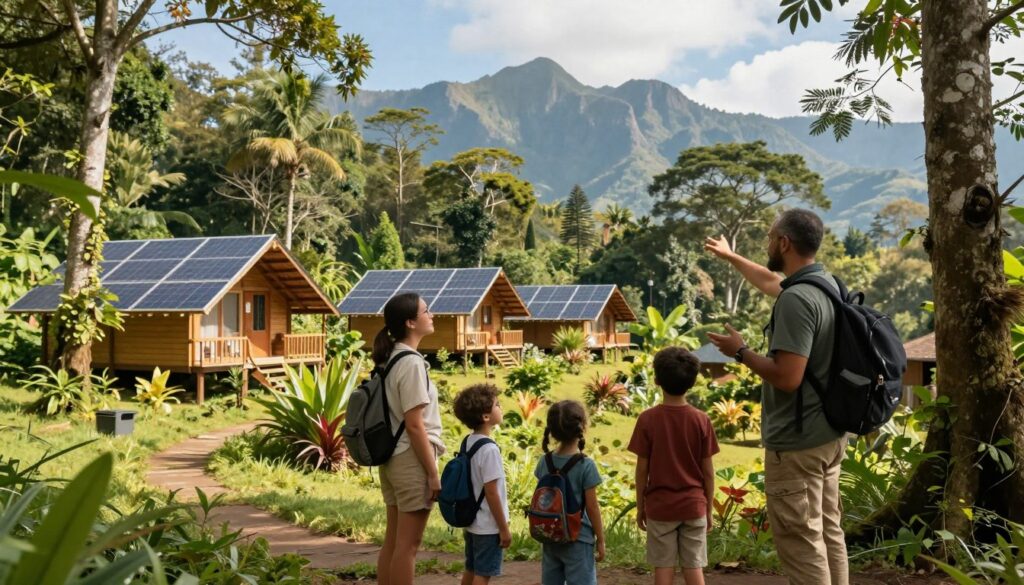
Think of sustainable tourism as a blueprint for the entire travel sector. It’s designed to benefit people, places, and profits for the long haul.
This model rests on three core pillars. It supports economic growth that directly benefits local communities. It prioritizes human well-being for both visitors and residents. Finally, it commits to protecting the environment and ecosystems.
The goal isn’t just to reduce harm. It’s to actively maximize positive benefits. This means preserving cultural heritage and supporting local businesses.
Traveler demand is clear. Booking.com’s 2021 report found 81% of people want to stay in eco-friendly lodging in the upcoming year. That’s a major jump from just 62% in 2016.
You might hear related terms like ecotourism or regenerative travel. These are specific approaches under the broad umbrella of sustainability. True sustainable tourism considers effects today and for future generations. It requires collaboration between destinations, companies, and guests.
Practical Tips: How to Travel Sustainably
The gap between wanting to explore responsibly and actually doing it can feel wide. Many people express a desire for kinder journeys but aren’t sure where to begin.
The best way forward is to adopt practical habits. Think of these travel tips as skills you can learn. They become second nature with practice, making each trip more responsible.
This advice isn’t meant to be overwhelming. It’s a set of empowering tools. You can still enjoy incredible destinations while making better choices.
Establishing an eco-friendly routine means thinking about your entire journey holistically. Consider everything from planning and booking to your daily actions and return home.
The following sections will cover a comprehensive range of tips. We’ll look at transportation, lodging, daily behaviors, and cultural interactions.
Start with just a few manageable changes. Sustainable travel is a personal journey. Every small action is a part of creating positive change.
Choosing companies and places that prioritize responsibility amplifies your impact. It directly supports businesses doing the right thing.
Exploring Off the Beaten Path Destinations
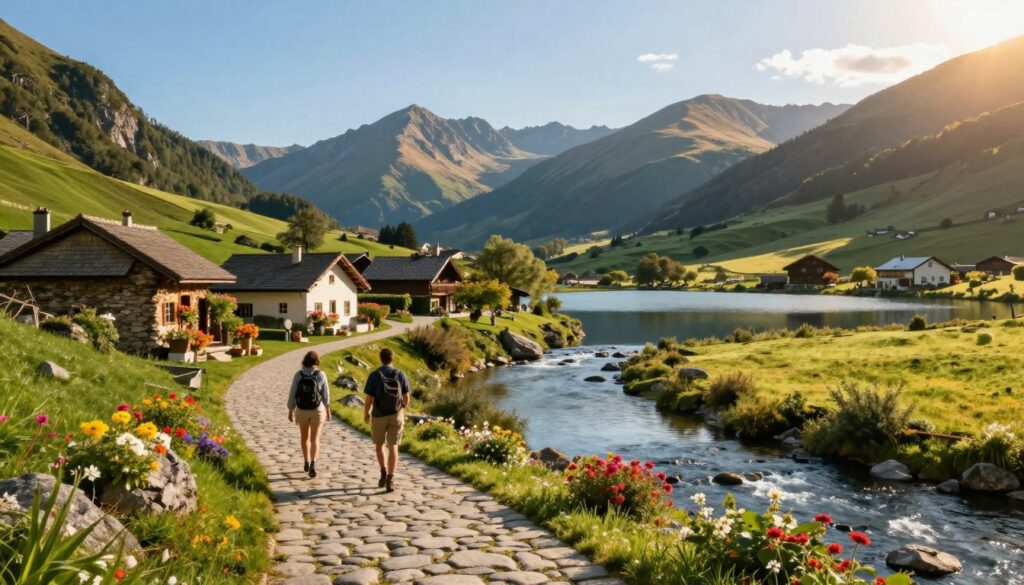
The phenomenon of overtourism shows what happens when too many visitors descend on a single location. This strain on popular spots hurts the environment and local life.
Social media pictures often show serene places like the Taj Mahal. The reality is usually huge crowds and long lines.
Choosing lesser-known destinations spreads the benefits of tourism more fairly. It supports smaller communities and protects popular sites.
| Popular Destination | Key Challenge | Alternative Suggestion |
|---|---|---|
| Dubrovnik, Croatia | Overwhelming cruise ship crowds | Explore the Istrian Peninsula or Vis island |
| Barcelona, Spain | Strain from short-term rentals | Visit Valencia or Girona for rich culture |
| Venice, Italy | Daily visitor numbers exceed capacity | Consider Bologna or the Le Marche region |
Many cities now take action. Dubrovnik limits daily cruise ships. Barcelona regulates vacation rentals to reduce pressure.
Travel in the off-season or pick small-ship cruises that use smaller ports. You’ll find more authentic connections without the crowds.
Embracing Slow Travel and Local Immersion
What if your next vacation was defined by depth, not distance? The “slow travel” philosophy invites you to swap a packed itinerary for meaningful connection.
This means choosing one longer trip over several short ones. Once you arrive, settle into a single area. This approach lets you fully experience a place.
When you aren’t rushing, you have time to immerse yourself. You can discover hidden local cafes and build real relationships. This creates a more authentic and memorable journey.
Specific activities enhance this immersion. Take a cooking class with a community host. Spend days walking through neighborhoods or cycling country lanes.
This way of exploring has clear environmental benefits. Staying put cuts carbon emissions from frequent flights or long drives between spots.
Local communities also gain more. Longer stays mean spending spreads deeper into the economy. You support family-run shops and restaurants more substantially.
Shift your mindset from how many places to how well you know one. The richest experience comes from understanding a destination‘s unique rhythm.
Efficient Transportation Choices for Lower Emissions
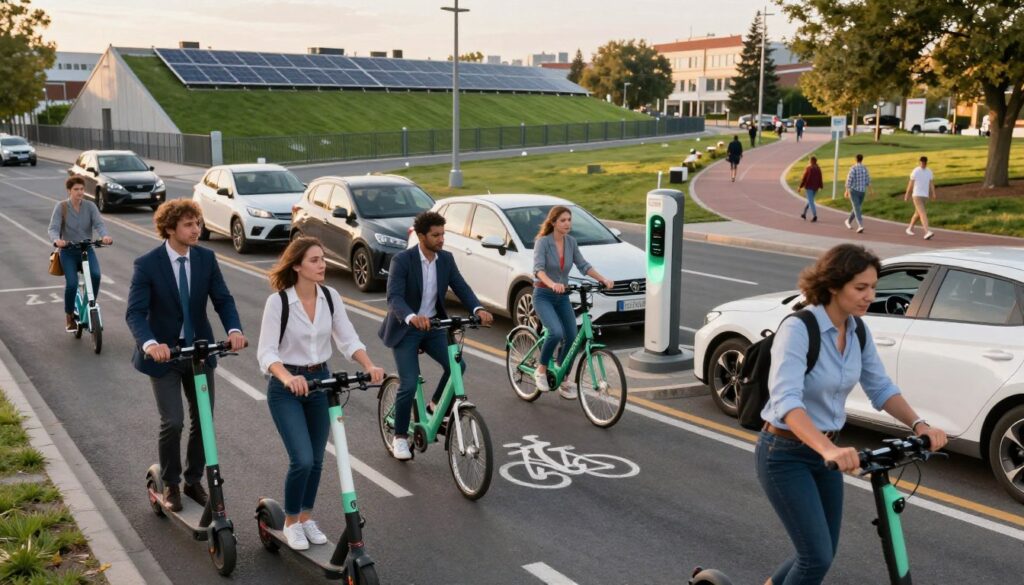
Our choice of vehicle or mode of transit is the single biggest factor in travel-related pollution. The sector causes about 8% of the world’s carbon emissions, a major driver of climate change.
One long-haul flight can create more emissions than driving a standard car for an entire year. This shows the scale of aviation’s impact.
Choosing ground transport is a powerful way to shrink your carbon footprint. The data below shows clear advantages.
| Transportation Mode | Relative Carbon Emissions | Best For |
|---|---|---|
| Train (UK example) | ~6x less than flying | Regional and inter-city journeys |
| Bus or Coach | ~9x less than flying | Budget-friendly, scenic routes |
| Airplane (Baseline) | Highest emissions | Essential long-distance trips |
In some countries, the benefits are even greater. Electric trains in Europe can emit up to ten times less carbon than flying.
New fuels and electric planes are in development, but widespread use is years away. When you must fly, use tools like Skyscanner’s ‘lower CO2e’ filter to find better options.
Consider a “flexitarian” approach. Travel mainly overland, fly less often, and stay longer when you do. This justifies the emissions with deeper, positive experiences.
Conserving Water and Energy on the Go
Conservation isn’t just for home. It’s a critical practice when visiting places with limited infrastructure.
Tourism relies heavily on local water and energy. Visitors often consume much more than residents. Many destinations struggle to meet this demand.
Your choice of lodging has a direct impact. A typical hotel night in the UK generates about 31.1kg of CO2. That’s a significant hidden cost.
Being mindful of your use shows respect for your host community. These simple habits make a real difference.
- Turn off lights, the TV, and unplug electronics when you leave the room.
- Adjust the thermostat a few degrees when you’re out for the day.
- Choose a short shower over a bath to save water.
- Handwash small clothing items when possible.
- Use the “Do Not Disturb” sign to skip daily linen changes.
Selecting accommodations that prioritize water energy efficiency further reduces your footprint. These actions aren’t sacrifices. They are smart, considerate choices for any journey.
Offsetting Your Carbon Footprint
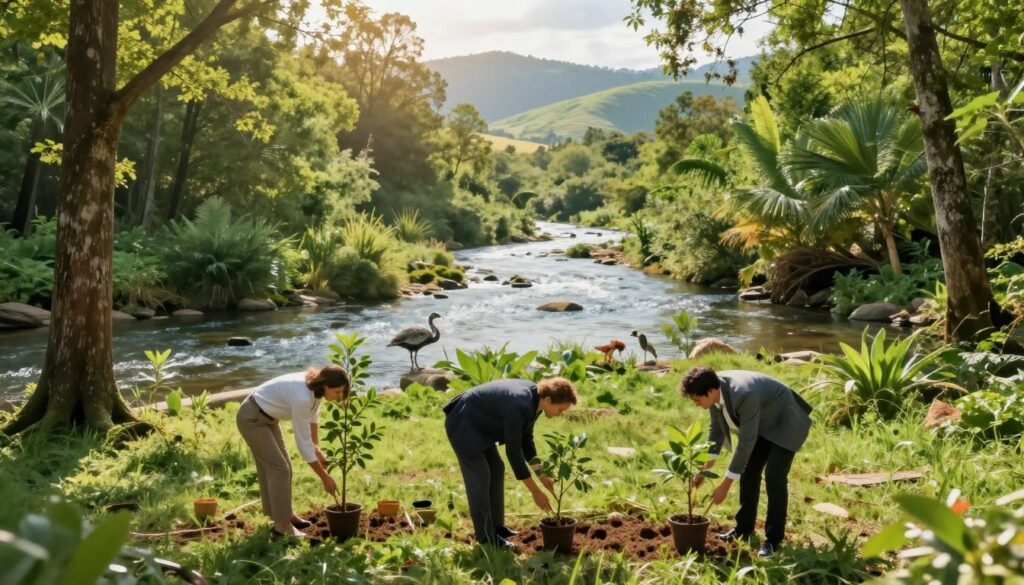
Carbon offsetting turns a trip’s unavoidable footprint into a force for global good. Even with careful choices, some emissions remain.
This process balances your journey’s impact. You fund projects that reduce an equal amount of greenhouse gases elsewhere in the world.
First, calculate your carbon footprint using an online tool. Then, purchase verified offsets matching your trip‘s CO2 output.
Your support finances diverse solutions. Projects range from protecting forests to building clean energy infrastructure.
| Project Type | Key Action | Notable Co-Benefits |
|---|---|---|
| Rainforest Protection | Prevents deforestation | Conserves species, supports indigenous communities |
| Renewable Energy | Builds wind or solar farms | Creates local jobs, improves air quality |
| Waste-to-Energy | Converts agricultural waste | Improves sanitation, generates rural income |
Quality projects deliver benefits beyond carbon reduction. They foster community development and protect biodiversity.
Always use a reputable provider. This ensures your contribution creates real, verified impact.
Offsetting is a responsible complement to reduction efforts. It addresses what we cannot yet eliminate in a given year.
Supporting Local Economies and Cultural Heritage
Beyond sightseeing, responsible exploration means investing in the people and culture that welcome you. Many communities faced hard times this past year with fewer visitors. Your spending choices can help them bounce back stronger.
Keeping tourism money within the local economy creates lasting benefits. It ensures host communities truly gain from your visit. The most direct part you can play is supporting local businesses and entrepreneurs.
| Spending Category | Local Choice | Direct Community Impact |
|---|---|---|
| Accommodation | Family-run guesthouse or homestay | Revenue stays with resident owners, not international chains |
| Dining | Restaurant serving traditional food with local ingredients | Supports farmers and chefs, preserves culinary heritage |
| Shopping & Activities | Market artisan goods, tours with local guides | Empowers craftspeople and creates skilled guide jobs |
Choose meals that feature regional food. Shop at markets for spices or jewelry made by local hands. While haggling is a custom in some places, pay a fair price. That money is vital income for local people and their families.
Book excursions led by community guides. Take a workshop from a local expert. These experiences offer deep cultural immersion.
Avoid giving cash to beggars. This well-intentioned act can cause harm and may be linked to trafficking. A better service is to donate to a local charity. Look for groups providing education, micro-loans, or skills training. These services create real, lasting change.
Seek out businesses owned by women, indigenous groups, or minorities. Your support promotes fair wealth distribution. It helps break cycles of poverty over time.
Avoiding Single-Use Plastics and Reducing Waste
Our planet’s oceans are drowning in a relentless tide of plastic waste. Every year, 8 million metric tons enter the sea. That equals one garbage truck dumping plastic every single minute around the world.
The pandemic increased reliance on single-use items like gloves and takeout containers. Many tourist spots lack good waste management. Trash often piles up in landfills or gets dumped in the environment for centuries.
Beverage bottles are a huge part of the problem. About one million are bought every minute. A simple fix is to bring a reusable bottle. Choose one with a built-in purifier if you’re unsure about local water.
| Common Plastic Item | Sustainable Swap | Key Benefit |
|---|---|---|
| Plastic shopping bag | Reusable cloth tote | Eliminates hundreds of disposable bags |
| Takeout containers & utensils | Dine-in or bring your own container | Cuts down on immediate plastic waste |
| Hotel mini toiletries | Refillable silicone bottles | Reduces tiny bottle production and disposal |
Choose to eat at the restaurant instead of getting takeout. Ask your bartender to skip the straw. Carry a reusable kit with a bag, container, and utensils for street food.
Look for vendors using biodegradable packaging. Your choices don’t need to be perfect. Every conscious decision helps reduce the plastic harming our oceans.
Visiting National Parks and Protected Areas
Your visit to a national park does more than create memories; it funds vital protection. These special places are frontline defenders of our planet’s wildlife and natural resources.
Every year, over 8 billion visitors explore protected areas worldwide. Their spending, roughly $850 billion, provides essential revenue. Entrance fees and permits directly fund conservation work and support local communities. This financial model protects incredible biodiversity.
The pandemic showed how fragile this system is. With tourism halted, many areas lost critical funding. The past year saw alarming rises in poaching and illegal logging, putting wildlife at greater risk.
Exploring these wonders is a powerful way to support conservation. Your presence must be respectful. Always stay on marked trails to protect sensitive nature.
Follow the Leave No Trace principles for a minimal impact:
- Plan ahead and prepare.
- Travel and camp on durable surfaces.
- Dispose of waste properly.
- Leave what you find.
- Minimize campfire impacts.
- Respect wildlife from a distance.
- Be considerate of other visitors.
Choosing a park for your next adventure turns your trip into a direct investment in nature.
Choosing Sustainable Accommodations and Services
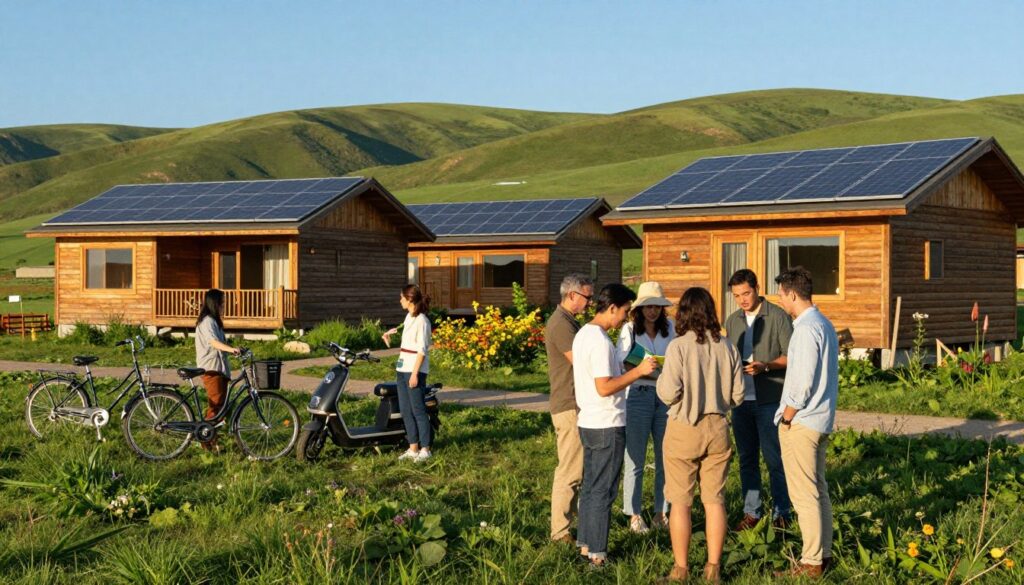
Your choice of where to stay and what services to use is a powerful vote for the kind of tourism you want to see. Selecting hotels and tour companies that lessen their environmental footprint directly supports community well-being.
Look beyond marketing claims. Ask specific questions about energy conservation and water use. Have they eliminated single-use plastics? Do they hire local people for management roles? Prioritizing local suppliers shows real commitment.
Third-party certification verifies these sustainability claims. The Global Sustainable Tourism Council (GSTC) sets the gold standard. Look for hotels certified by a GSTC-accredited body.
Booking platforms now make it easier. Use green filters on Airbnb, Sawday’s, or i-escape. Major sites like Booking.com and Google also highlight eco-certified businesses.
Your informed selection rewards high-quality practices. Write reviews about a company‘s green efforts. This feedback shows the industry that sustainability influences decisions, driving positive change this year and beyond.
Smart Packing: Reduce, Reuse, Recycle
What you pack directly influences your environmental impact and trip enjoyment. Smart packing is a powerful, often overlooked step. It lowers your carbon footprint before you even leave home.
Traveling light offers clear advantages. It reduces fuel consumption, especially in electric cars. This way, you move more easily on foot, by bike, or on public transport.
Apply the “three Rs” as a practical guide. This framework helps you pack with purpose and cut waste from the start.
| The ‘R’ | Guiding Question | Packing Example | Key Benefit |
|---|---|---|---|
| Reduce | What can I leave behind? | Multi-use clothing items | Cuts weight and fuel use |
| Reuse | What can I use repeatedly? | Refillable water bottle | Eliminates single-use plastic |
| Recycle | What can be recycled after? | Cardboard packaging | Minimizes landfill waste |
Follow these simple packing tips. Bring a refillable water bottle and a reusable coffee cup. Pack Tupperware containers for food and toiletries.
Don’t forget a sturdy shopping bag. It’s handy for markets and avoids plastic. These choices make your whole trip smoother and greener. They are core travel tips for a better vacation.
Engaging with Local Cultures Respectfully
Meeting new cultures is a privilege that comes with a responsibility to listen and learn. This experience offers a glimpse into different traditions and ways of life. It’s a core part of a meaningful journey.
Preparation shows respect. Read about local history and etiquette before your trip. Learn a few phrases in the language. This effort is appreciated by people in host communities.
Be aware that gestures or clothing can offend in some places. Research cultural norms to adapt your behavior. This sensitivity makes you a welcome guest.
At religious sites, follow all protocols. Remove shoes, cover shoulders, and keep your voice low. Only take photos where it is permitted.
Remember, you are a visitor in someone’s home. Obey local laws and leave spaces as you found them. Treat all people with dignity and consideration.
Always ask permission before photographing residents. They are not attractions but individuals deserving respect.
Share a meal to connect. Trying local food is a delicious part of cultural exchange. Attend community events when invited.
Take time for quality conversations. This genuine interest creates a richer experience for you and the communities you visit.
Exploring Modern Sustainable Transportation Options
From buzzing Asian streets to serene European capitals, a quiet revolution in how we move is underway. Innovations are transforming local transit, offering exciting ways to explore with a lighter footprint.
There’s no universal best option. A vehicle’s carbon emissions depend heavily on the local energy powering it. The greenest choice varies between countries and destinations.
Real-world examples inspire. Trains in the Netherlands run on wind energy. Washington D.C. deploys zero-emissions buses. Thailand’s iconic tuk-tuks are going electric.
If you need a rental car, choose an electric or hybrid model. A smaller, fuel-efficient car also cuts carbon output significantly.
| Progressive City | Key Sustainable Transport Feature | Integrated Policy Focus |
|---|---|---|
| Bristol, UK | Extensive bike-sharing & clean air zones | Circular economy in housing and transit |
| Copenhagen, Denmark | World-class cycling infrastructure | Net-zero urban development |
| Ljubljana, Slovenia | Pedestrianized city center & electric buses | Green economic growth |
Research local options before your trip. Look for electric vehicle rentals, renewable-powered transit, and bike shares. This smart planning lets you enjoy local food and protect biodiversity with lower carbon emissions.
These forward-thinking cities show how integrated policies create better experiences. They accelerate the transition to net zero for everyone.
Conclusion
True exploration today means weaving responsibility into the fabric of our journeys. This mindset shapes every choice, from transport to cultural encounters. It’s an ongoing attitude, not a one-time checklist.
Sustainable travel isn’t about perfection. It’s about making informed decisions that match your values. You can still enjoy incredible experiences while protecting destinations.
Start with small, manageable travel tips. Build these habits over time with each trip you take. Your individual actions create a ripple effect.
When millions choose this way, the entire tourism sector transforms. You have the power to help create a future where exploration enriches lives and safeguards our world.
FAQ
What’s the difference between sustainable travel and sustainable tourism?
What’s the single most effective thing I can do to lower my trip’s carbon emissions?
How can I find genuinely eco-friendly hotels and tour companies?
Is visiting popular, fragile places like national parks still considered sustainable?
How does spending money at local businesses make my vacation more sustainable?
What are simple ways to cut down on plastic and waste while I’m traveling?
What does "slow travel" mean, and why is it better for the environment?

Adam Peter is a finance, travel, and automotive writer with over a decade of experience. He creates clear, practical content to help readers manage their money, explore the world with confidence, and make informed decisions about cars and travel gear. His work blends expert insight with real-world usefulness.